Double Binds: When Mixed Messages Divide the Heart
Double binds happen when words and relational messages conflict, leaving us confused, divided, and unsure whether to trust ourselves.

Ever walk away from a conversation thinking, What just happened?
You said something clear. They replied with words that sounded fine, but their tone or expression told a completely different story. When you tried to clarify, things only got more confusing.
A single mixed message is just a miscommunication. But when contradictory messages become a repeated pattern in a close relationship—especially one with a power imbalance—it creates a "double bind." This pattern slowly shifts a conflict between two people into a war within yourself.
Here is how it happens in three stages:
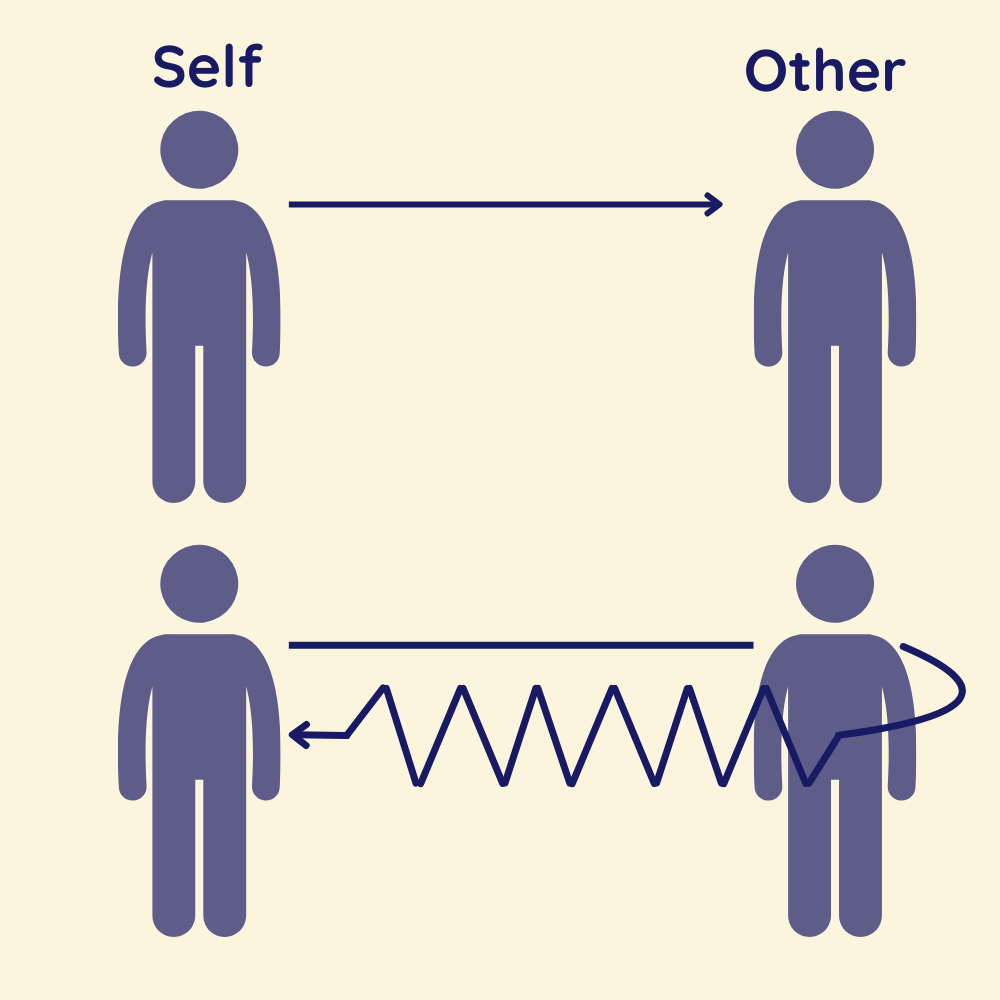
1. The message doesn't match the relationship
1. The Mismatch Someone communicates two conflicting things at once.
- The words: "That’s fine."
- The tone: "I am furious."
- The child says: "I’m hurt." / The parent replies: "You’re too sensitive."
You are handed a difficult choice: trust your own experience, or trust the person you depend on.
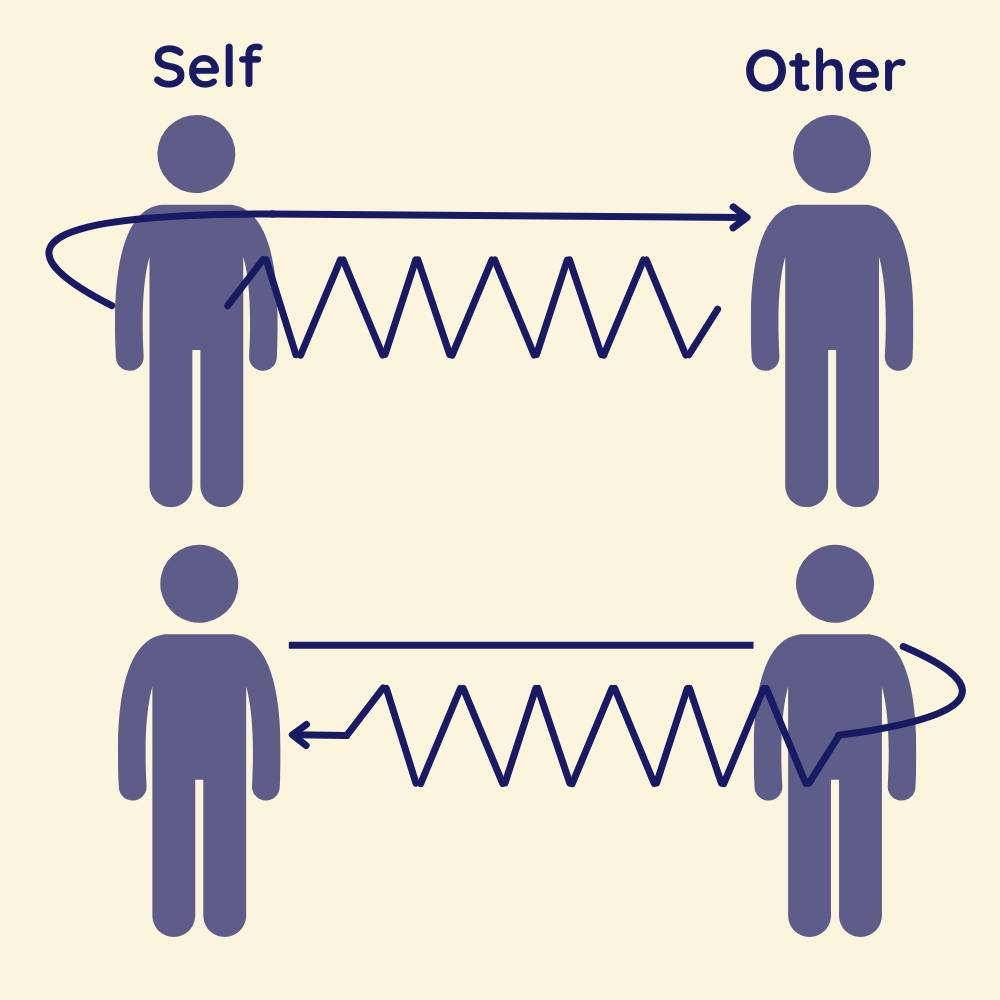
2. The Trap of Speaking Up Ideally, if you point out a mixed message, the other person apologizes and clarifies. In a double bind, pointing out the contradiction just creates a new problem.
You say, "You sound angry." They reply, "I already told you I'm fine, why are you always looking for a fight?" Now, instead of resolving the original issue, you have to defend your own grip on reality. Over time, the underlying lesson becomes: Don't trust what you notice.
A mild example
Consider a young adult son talking with his mother.
Ronnie: (Proudly) “I took a girl out on a date. We had a great time and really connected!”
Mom: (Dry tone) “Really…that’s nice.”
Ronnie hears supportive words, but something feels off.
Ronnie: “Mom, you don’t sound very happy about it. I thought you’d be excited.”
Mom: (Sighs) “I just want you to be careful. You know how these things can be. I’m happy if you’re happy.”
Her words sound supportive, but Ronnie still senses concern or disapproval.
Ronnie: “Yeah, maybe I shouldn’t get too excited.”
Mom: “That’s right. Don’t get ahead of yourself. Keep your priorities in check.”
One interaction like this may mean very little. Maybe Mom is tired, distracted, or genuinely worried.
But it's not good if it is a longstanding pattern.
If Ronnie repeatedly experiences excitement, sadness, anger, disagreement, or independence being met with contradictory messages—and speaking about the contradiction leads to denial, guilt, criticism, or more confusion—he may begin to distrust his own experience.
3. The Conflict Moves Inside When this pattern repeats, the interpersonal split becomes an internal one.
You no longer need the other person there to doubt yourself. You might feel genuine excitement, but a voice in your head immediately chimes in: Maybe I’m being foolish.
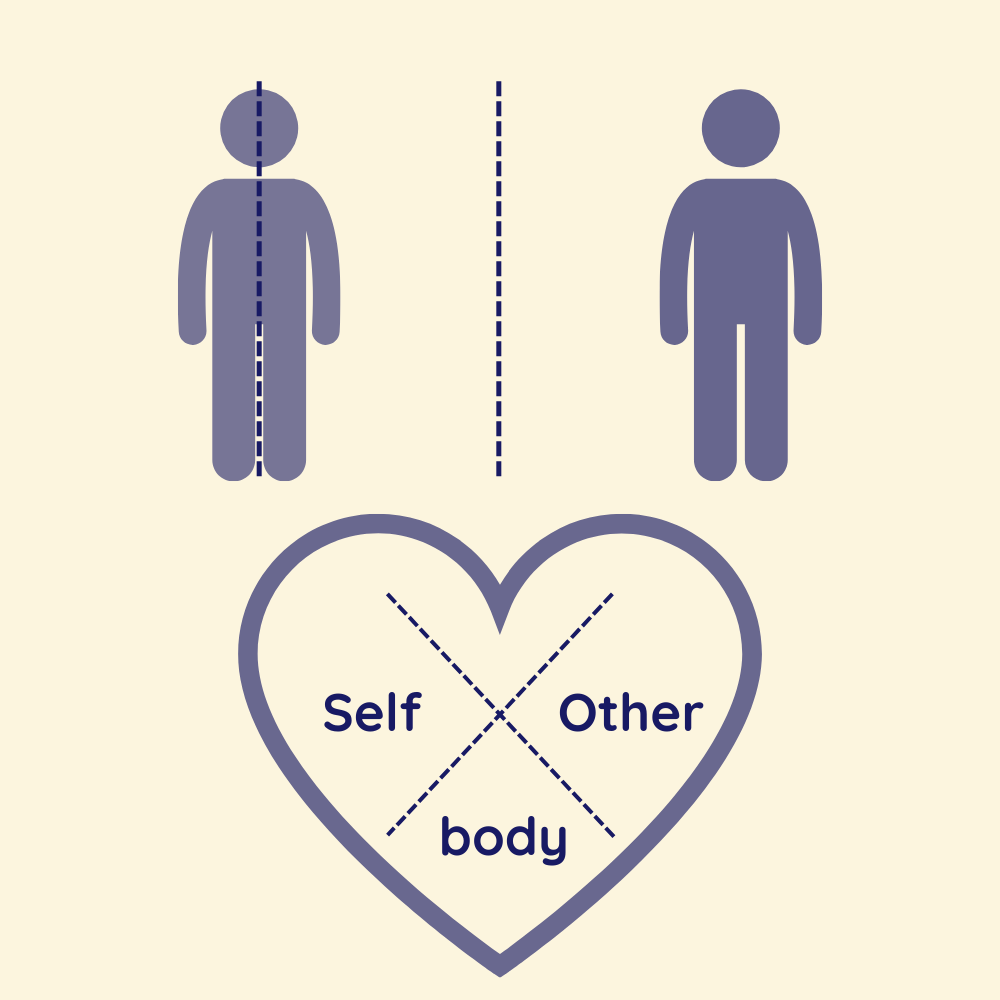
In the language of Insight Anchors, this internal division is the X-factor.
There is an interpersonal split:
Self ↔ Other
But there can also be an internal split between what I perceive, think, feel, and experience in my body.
Instead of realizing, "Something confusing is happening between us," you believe, "Something must be wrong with me." Shame, anxiety, and numbness take root. What you feel, what you think, and what you believe you are allowed to feel no longer line up.
Why We Adapt (And How to Heal) Double binds are incredibly powerful in childhood because kids rely on their parents for survival. It is much safer for a child to think, "My feelings are wrong," than to realize, "My parent can't handle my independence." Adapting protects the relationship then, but creates profound confusion later.
As an adult, you can step out of the trap. Healing means separating your reality from the other person's reactions. It involves pausing and asking yourself:
- What do I actually perceive?
- What am I actually feeling in my body?
- What belongs to the other person?
The goal isn't to reject others, but to bring your own divided parts—your thoughts, feelings, and physical experiences—back together so you can finally trust yourself again.
Email Sign Up:


Interested in meeting?
Fill out a contact form to request an appointment with one of our therapists.