Creating Space: Present Moment Awareness, Freedom, and the Interior Life
You are not your thoughts. Learning to observe them with God opens the door to peace, healing, and authentic freedom.


There was a particular line from the book, The Mindful Catholic, by Dr. Greg Bottaro, that was illuminating:
“When you turn towards your thoughts, you will notice that you have fewer of them.”
Leading up to this insight, Dr. Bottaro discusses the importance of creating space between ourselves and our thoughts, and how mindfulness practices help us do this. He points out that this space may only last a few “split seconds,” but in that brief moment, “you will have the freedom to choose how you will relate to these thoughts.”
This immediately reminded me of the profound insight of Viktor Frankl when he says,

“Between stimulus and response, there is a space. In that space is our power to choose our response. In our response lies our growth and our freedom.”
Both insights highlight the fruitfulness of cultivating this crucial space. Yet, as Dr. Bottaro emphasizes repeatedly, our natural autopilot—or “doing mind”—constantly collapses this space. When negative thoughts about ourselves arise, and we all have them, we tend to believe them automatically.
Creating space, then, requires intentional effort.
This is where mindfulness, or nonjudgmental awareness of the present moment, becomes essential.
The more I reflect on this tension between autopilot and intentional awareness, the more convinced I become that all of us need practices that foster this space.
We cultivate it by setting aside time for intentional awareness of our interior life.
Present-moment awareness of the interior life is one of the most helpful tools that can be recommended (The Mindful Catholic provides such exercises in either audio form or in the book itself), offering a structured path for clients. Other approaches also foster this interior awareness. For example, Internal Family Systems (IFS) has mindfulness embedded in its process through the “U-turn” process, which is a turn towards noticing what is happening internally and relating to parts of us with nonjudgmental acceptance. Silent or contemplative prayer offers another pathway into this space.
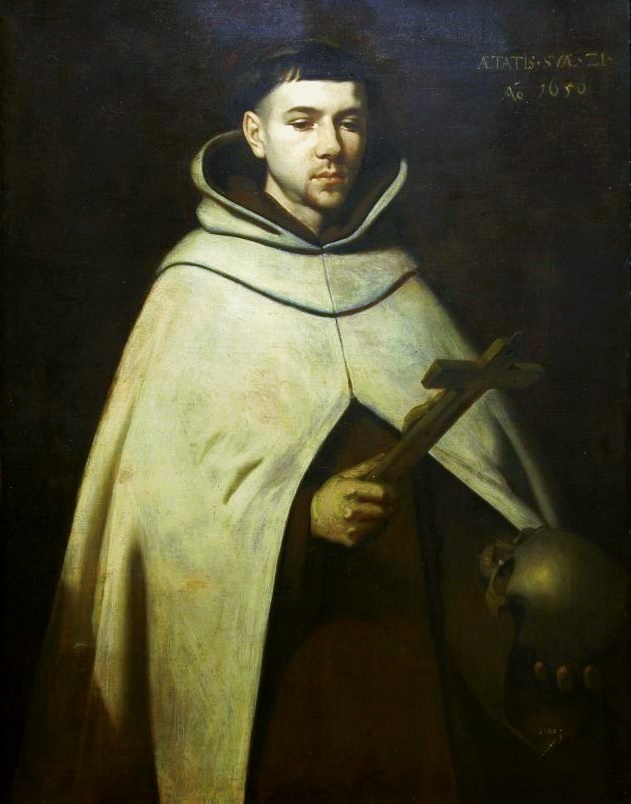
In the context of spirituality, St. John of the Cross is a helpful guide. First, he cautions against prescribing specific practices to others, since doing so risks projecting onto others what worked for us rather than fostering their unique path. At the same time, St. John insists on the necessity of spending time in silence and contemplation—because, as he says
“What we need most in order to make progress is to be silent before this great God with our appetite and with our tongue, for the language he best hears is silent love.”
The form this silence takes should be adapted to the individual, with room for flexibility; yet some type of intentional interior work that involves asking God to be present with you—is a true need of the soul.
From my own experience, discipline in this area can be very difficult. Setting aside time for non-judgmental awareness of the present moment and silent prayer often stirs resistance—boredom, fatigue, or doubts such as, “Will this really make a difference?” What makes it even harder is an inner critic part that shows up during these practices: “You’re not doing this right.” “Why can’t you quiet your mind?” “You’re failing because thoughts keep interrupting you.” These voices easily lead to discouragement and giving up.
What has helped me is adjusting my expectations. I remind myself that this work is not easy, nor should I expect it to be. I also try to keep in mind the greater cost of not practicing. Yes, mindfulness requires time and effort, but neglecting it leaves me even more stuck in autopilot, cut off from the freedom that comes with space and awareness—the freedom I desire and that ultimately leads to what I most desire: peace.
Email Sign Up:


Interested in meeting?
Fill out a contact form to request an appointment with one of our therapists.